
Frequently
Asked
Questions
Below are a few frequently asked questions about ELORA’s 3D image conversion services. Feel free to reach out to us at info@elora3d.com if you have a question that’s not addressed below.
2D image to 3D model conversion is the process of converting your two-dimensional image to a three-dimensional model that matches the size and specifications you provide when inputting your order with ELORA 3D.
Your clients open the environment through a simple link — nothing to install and no headset required. They explore it on their own device, return to it whenever they want, and share it with everyone involved in the decision.
A rendering gives you one fixed angle at one moment. An ELORA environment lets people walk through the space, step close to materials, see how light moves through it, and understand real scale and flow — the way they would standing inside the finished space. It turns a presentation into an experience.
Yes. They can move through different finishes, materials, furnishings, and layout options inside the same environment and see each one in context. Experiencing the choices directly is far more intuitive than comparing separate samples, PDFs, or spec sheets.
ELORA primarily works across four areas: homebuilders and planned communities, venues and hospitality, furniture manufacturers and dealers, and interior designers and architects. If your work involves helping someone understand a space or product before it exists or in a virtual environment, let’s talk. We’re happy to explore other verticals or use cases of how our services can help people experience spaces or products.
Three steps. You send us your designs and reference materials. We build the immersive environment using accelerated 3D development with hands-on human refinement. Then we deliver it — as files or hosted in our digital environment — ready for you to explore, present, and make decisions in.
It depends on the size and complexity of the space and how complete your reference materials are.
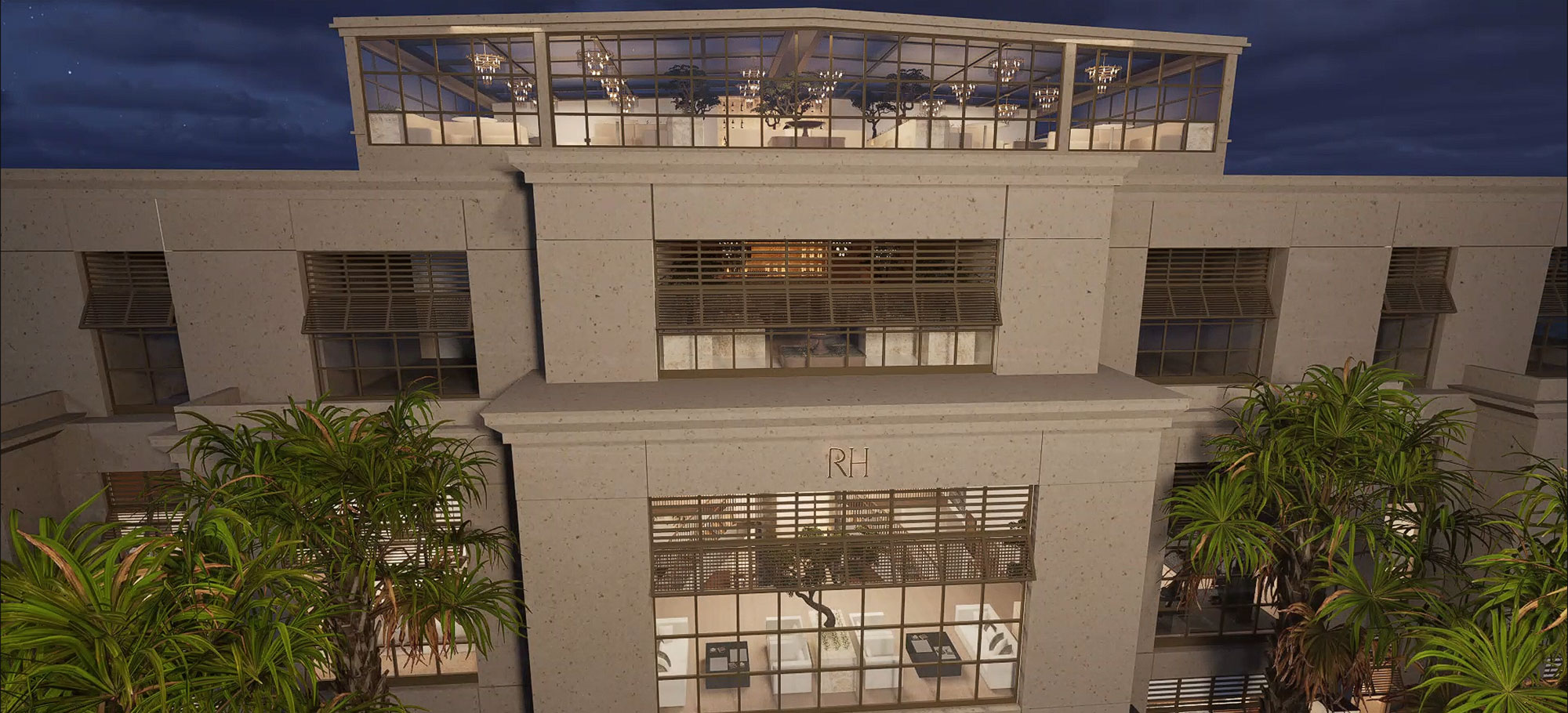
We build toward true photorealism — materials, lighting, and scale that read like the real space, down to how a room feels as the light shifts through the day. The goal is for clients to recognize the finished space the moment they walk into it.
An ELORA Environment can be treated as an iterative piece of your design process. We can start with a massing model that allows for sun shadowing, topography, and spatial feel. As the design process moves forward, we can integrate material designs and specifications.